Source Golf Divot Repair Tool for Golf Courses, Travel, and Gifts
Find and compare 30 golf divot repair tool options from China. Evaluate materials like metal and zinc alloy, customization for logos, and MOQs starting at 100 pieces for bulk orders; compare the available evidence and request quotations based on your requirements.
Key considerations
Products List


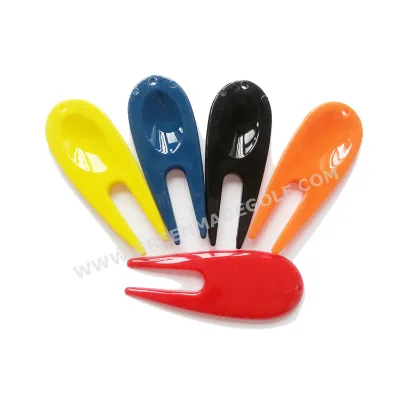
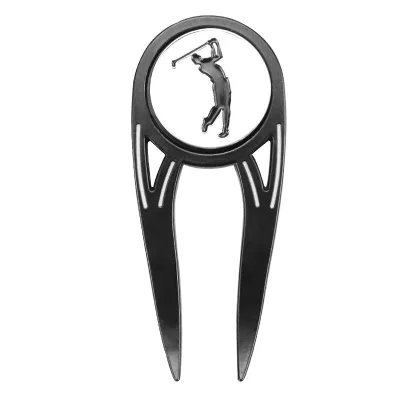


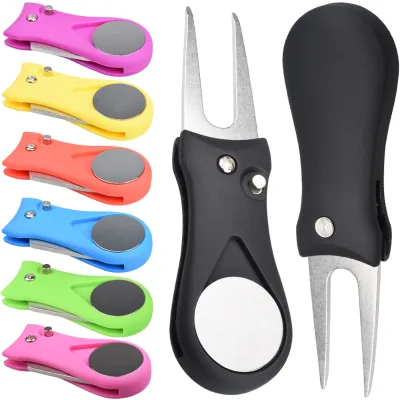
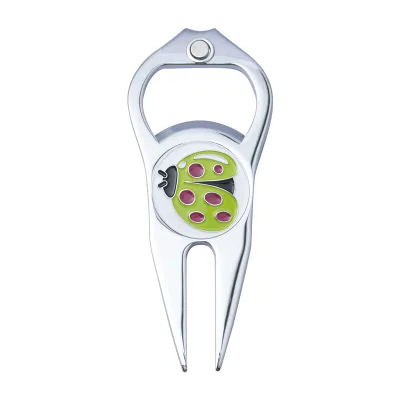

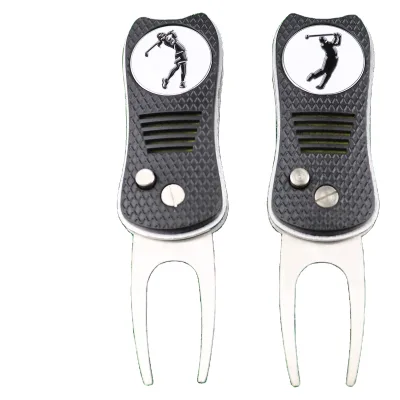
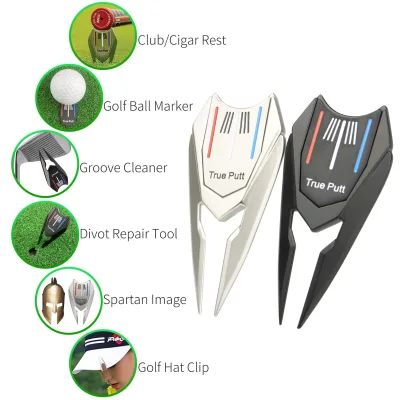


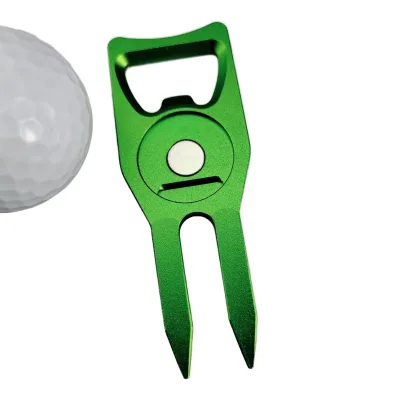
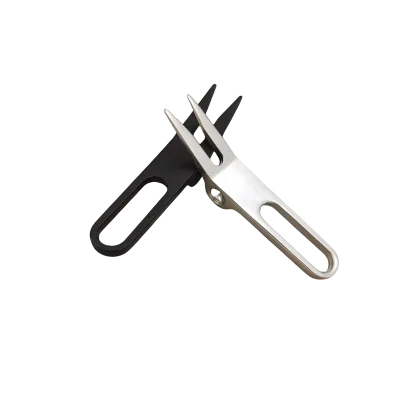
Comprehensive Sourcing Guide
Golf Divot Repair Tool Sourcing Guide
Buyers must first distinguish between standard utility tools and promotional metal badges when sourcing golf divot repair tools, as the supply chain often blends these categories. The observed market data indicates a primary focus on metal construction, specifically stainless steel, zinc alloy, and iron, with some listings offering ABS or HIPS plastic variants. This material variance significantly impacts durability and intended use, requiring procurement teams to verify if the item is a functional repair instrument or a commemorative souvenir designed for racing, entertainment, or corporate gifting.
The customization landscape for these items is extensive, with suppliers frequently offering soft enamel, hard enamel, and printed logo options alongside custom shapes and designs. While some listings specify a model number like GDT0907 or GM-PDT029, others describe the product generically as a divot tool with customizable features such as key rings, bottle openers, or specific die-casting crafts. Buyers should carefully review the product description to ensure the selected item meets the functional requirements of a golf course repair tool rather than a purely decorative lapel pin or medal.
Product Scope and Observed Listing Signals
The observed product range spans from functional metal divot tools to promotional tokens, with materials including stainless steel, iron, and zinc alloy being the most prevalent. Listings often highlight the ability to customize the shape, whether round or specific forms like eagles or airplanes, and offer various plating options such as gold, silver, or bronze. This flexibility allows buyers to source tools that serve dual purposes as both practical equipment and branded merchandise, provided the core functionality of repairing turf damage is not compromised by the design.
Commercial signals in the market reveal a wide disparity in minimum order quantities, ranging from small trial orders of 100 pieces to bulk requirements of 5000 units. Some suppliers explicitly state a custom MOQ of 100 pieces per color and style, while others list a standard MOQ of 1000 pieces, creating a fragmented landscape for small and large buyers alike. The packaging varies from simple OPP bags to gift boxes, and the origin is consistently traced to Fujian, China, with specific cities like Xiamen and Fuzhou noted as production hubs for these metal goods.
Technical Specifications to Verify
Procurement teams must rigorously verify the material composition to ensure the tool possesses the necessary hardness and corrosion resistance for repeated use on golf courses. The supply data lists stainless steel, iron, and zinc alloy as common materials, but the specific grade and thickness are rarely standardized in the provided listings. Buyers should request detailed material certificates or physical samples to confirm that the metal will not rust or deform under the pressure of repairing divots, especially since some listings mention iron with copper or ABS/HIPS composites that may lack the required structural integrity.
The manufacturing process and finishing techniques are critical differentiators that affect both the aesthetic appeal and the functional longevity of the divot tool. Suppliers offer a variety of crafts including die casting, engraving, stamping, and printing, with customization options ranging from 2D and 3D designs to luminous powder applications. It is essential to confirm that the chosen logo application method, such as soft or hard enamel, does not interfere with the tool's prongs or edges, and that the plating process ensures a durable finish that withstands outdoor exposure and frequent handling.
Compliance and Safety Documentation
While the provided data does not explicitly list specific safety certifications, buyers must assume that metal products intended for recreational use require compliance with relevant international safety standards. The absence of explicit certification data in the listings necessitates a proactive approach where the buyer requests proof of adherence to standards such as ASTM or ISO for metal goods, particularly regarding heavy metal content and surface finish safety. Without these documents, there is a risk that the product may not meet the safety requirements of the destination market, especially if the tool is marketed for use by children or in competitive sporting events.
Documentation regarding the origin and manufacturing location is equally vital for establishing supply chain transparency and mitigating trade compliance risks. The observed listings consistently identify the place of origin as Fujian, China, with specific mentions of Xiamen and Fuzhou, but buyers should verify the full supply chain to ensure no prohibited materials or labor practices are involved. Requesting a detailed bill of materials and a declaration of conformity from the supplier is necessary to validate that the product meets the regulatory requirements of the target export markets, such as the US, Australia, or England, which are noted as potential destination countries.
Cost Drivers and Commercial Terms
The cost of golf divot repair tools is heavily influenced by the complexity of the customization and the specific metal alloy selected for production. Listings indicate that prices can vary significantly based on whether the item is a simple metal tool or a complex badge with soft enamel, hard enamel, or printed logos. The choice of plating, such as gold, silver, or bronze, and the inclusion of accessories like key rings or bottle openers will further drive up the unit cost, requiring buyers to balance their budget against the desired level of branding and functionality.
Commercial terms in this sector are characterized by flexible but sometimes conflicting minimum order quantity requirements, which can complicate procurement planning. While some suppliers accept small trial orders of 100 pieces, others enforce a standard MOQ of 1000 pieces, and the price range observed spans from $0.04 to $5.50 per unit. Buyers must negotiate clearly on the MOQ per color and style, as the custom nature of the product often means that different color variations may incur separate minimums, and they should clarify whether the quoted price includes packaging, which can range from bulk OPP bags to premium gift boxes.
Supplier Qualification and Quality Control
Verifying the supplier's capability to handle custom designs and small trial orders is a primary step in ensuring a successful procurement outcome. The market data suggests that many suppliers are willing to accept small trial orders and offer customized designs, but the consistency of quality across different batches can vary. Buyers should assess the supplier's experience with specific crafts like die casting and stamping, and request samples to evaluate the precision of the logo application and the structural integrity of the metal components before committing to a larger production run.
Quality control protocols must be established to address the variability in material composition and finishing processes observed in the listings. Since the supply chain includes diverse materials like stainless steel, iron, and zinc alloy, it is crucial to implement a rigorous inspection process that checks for defects such as rough edges, poor plating adhesion, or incorrect dimensions. Buyers should consider engaging third-party inspection services to verify that the finished products meet the agreed-upon specifications, particularly regarding the durability of the enamel work and the functionality of the divot repair prongs.
Long-Term Procurement Checks
Establishing a long-term relationship with a supplier requires consistent monitoring of lead times and the ability to maintain quality over multiple production cycles. The observed data highlights a focus on fast delivery as a key advantage, but buyers must verify if this promise holds true during peak seasons or when managing complex customizations involving multiple colors and styles. Regular communication and periodic audits of the supplier's production capacity are necessary to ensure that the supply chain remains stable and that the supplier can scale production to meet growing demand without compromising on the quality of the metal tools.
Continuous evaluation of the product's market performance and customer feedback is essential for refining future procurement strategies and maintaining brand reputation. Buyers should track the durability and user satisfaction of the divot tools in the field, as any issues with rusting, breakage, or logo fading can quickly damage the brand image associated with the product. By maintaining a feedback loop with end-users and suppliers, procurement teams can identify areas for improvement in material selection, design, or manufacturing processes, ensuring that the long-term supply of golf divot repair tools remains competitive and reliable.
FAQs
What materials are used for golf divot repair tools?
Golf divot repair tools are primarily manufactured from metal, stainless steel, zinc alloy, iron with copper, or ABS/HIPS. These materials ensure durability and resistance to corrosion during outdoor use. Buyers can select specific materials based on weight preferences and budget constraints for bulk orders.
Can I customize the logo on golf divot tools?
Yes, logos can be customized using soft enamel, hard enamel, printing, or engraving techniques. Manufacturers accept custom designs and offer flexible customization options for promotional gifts. This allows businesses to brand tools effectively for corporate events, sports tournaments, or personal use with distinct visual identities.
What is the minimum order quantity for these tools?
The minimum order quantity varies by supplier, typically ranging from 100 to 5000 pieces. Some vendors accept small trial orders with an MOQ of 100 pieces per color and style. Buyers should verify specific MOQ requirements with manufacturers to align with their inventory needs and budget planning.
Are golf divot tools available in custom shapes?
Yes, tools are available in round or custom shapes, including designs like airplanes, eagles, or flags. Manufacturers support 2D/3D designs and various crafts such as die casting or stamping. This flexibility allows buyers to create unique souvenirs or promotional items tailored to specific themes or branding requirements.
Where are these golf divot tools manufactured?
These tools are primarily manufactured in China, specifically in regions like Xiamen, Fujian, and Fuzhou. Suppliers in these locations offer fast delivery and competitive pricing. Buyers can source directly from these factories to ensure quality control and efficient logistics for international shipments of golf accessories.
What packaging options are available for bulk orders?
Packaging options include OPP bags, bulk packing, PP bags, PVC envelopes, acrylic boxes, or gift boxes. Suppliers offer customized packaging to meet specific branding or retail requirements. This ensures products are protected during transit and presented attractively for corporate gifts, school events, or marathon souvenirs.